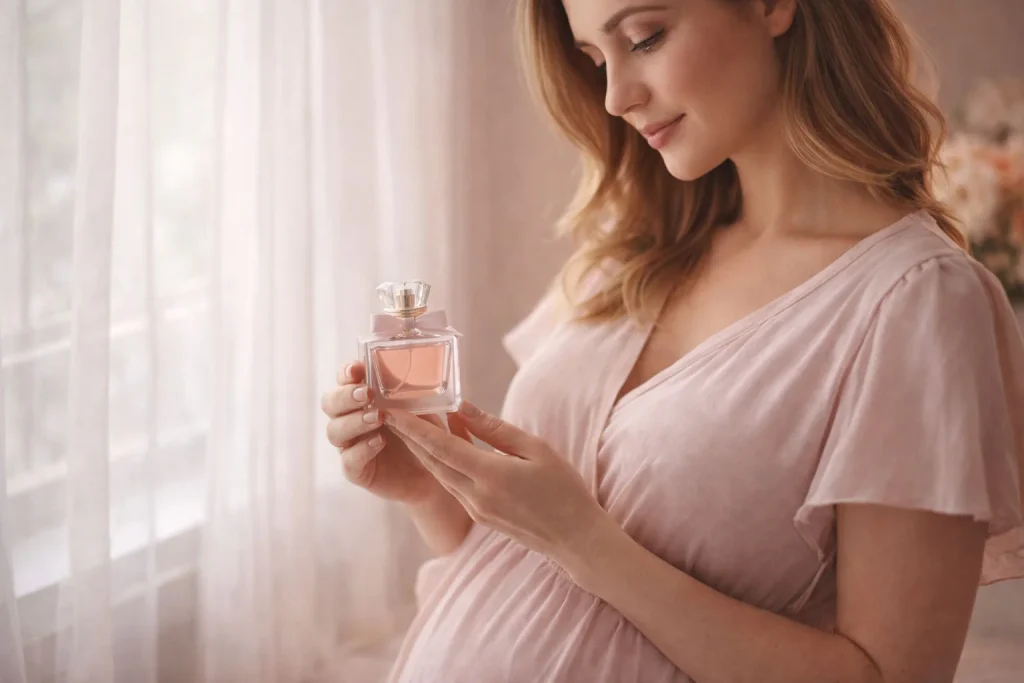
The journey of pregnancy is often described as a time of “heightened awareness.” For many, this manifests as a literal sharpening of the senses—particularly the sense of smell. You might find that your favorite perfume now triggers a wave of nausea, or that the scent of your usual laundry detergent has become completely intolerable.
This sensory hypersensitivity is more than just an inconvenience; it is often your body’s way of signaling a need for a cleaner, more neutral environment. Reducing exposure to synthetic fragrances and common household irritants is a proactive step you can take to support your body and physical health throughout the coming months.
Why Do Smells Become Intense During Pregnancy?
During the first trimester, hormonal fluctuations—specifically the surge in estrogen and human chorionic gonadotropin (hCG)—can lead to a heightened sense of smell, medically known as hyperosmia. This evolutionary trait likely served to protect pregnant individuals from ingesting potentially harmful substances.
While it is a fascinating biological mechanism, in a modern world filled with synthetic air fresheners, cleaning chemicals, and perfumed body products, this sensitivity can lead to persistent discomfort, headaches, or even physical illness. Transitioning to a lower-chemical, fragrance-free lifestyle isn’t just about managing nausea; it’s about minimizing the chemical load on your developing baby and lowering your own systemic stress.
Understanding the “Hidden” Irritants
Many of the products we use daily contain “fragrance” as a catch-all term on labels. Because of trade secret laws, companies are not required to disclose the specific chemicals that make up that scent. These “hidden” ingredients can include phthalates, which are known endocrine disruptors.
When you are pregnant, your endocrine system is working in overdrive to regulate hormones. Reducing exposure to these types of chemicals is a simple yet powerful way to curate a more supportive pregnancy environment.
Common Culprits to Watch For:
- Synthetic Air Fresheners: Plug-ins, sprays, and scented candles often release volatile organic compounds (VOCs) into the air.
- Laundry Products: Fabric softeners and heavily scented detergents leave residue on your clothes and linens, keeping irritants in constant contact with your skin.
- Personal Care Products: Shampoos, lotions, and soaps with “parfum” or “fragrance” listed as ingredients.
- Cleaning Agents: Conventional bathroom and kitchen cleaners often contain harsh ammonia or bleach-based fumes that can be overwhelming.
How to Transition to a Low-Irritant Home
You don’t need to purge your entire house in one day. Much like navigating the shifts in your trimester wellness, this transition should be gradual and intuitive.
1. Opt for Fragrance-Free
When shopping for body wash, shampoo, and moisturizer, look for “fragrance-free” or “unscented” labels. Note that “unscented” can sometimes mean a masking fragrance was used, so checking the ingredient list for the absence of “parfum” is the safest bet.
2. Simplify Your Cleaning Routine
The Environmental Working Group (EWG) provides a fantastic resource for checking the safety ratings of household products. You can often find the EWG Guide to Healthy Cleaning helpful for identifying products that are free of synthetic irritants. Consider switching to white vinegar, baking soda, and plant-based, fragrance-free cleaners for your daily chores.
3. Open the Windows
Even in colder months, simple ventilation is your best friend. Stale air tends to trap scents and VOCs. Creating a cross-breeze helps clear out trapped chemicals and brings in fresh, oxygenated air, which can be incredibly grounding for both you and your developing baby.
4. Review Your Laundry Habits
Because you spend roughly eight hours a day in your sheets, your laundry detergent is one of the most important things to switch. Look for detergents specifically formulated for sensitive skin or babies. These are almost always free of dyes and heavy perfumes, making them the perfect choice for a pregnant parent-to-be.
The Role of Emotional Wellness
It is important to address the mental aspect of this transition. When you start reading labels and “worrying” about every scent, it can quickly lead to unnecessary anxiety. Please remember that your goal is not perfection; it is simply to minimize exposure where it is easy to do so.
If you feel yourself getting stressed about the “safety” of your home, take a deep breath. Stress itself is an irritant to your system. Focus on emotional wellness by practicing mindfulness and acknowledging that you are doing the best you can with the information you have.
When to Seek Help
If you find that your sensitivity to smells is making it impossible to eat, sleep, or function, it is time to consult your healthcare provider. Severe, persistent nausea (hyperemesis gravidarum) is different from normal pregnancy sensitivities. Don’t hesitate to reach out to your doctor or visit our FAQ page for guidance on when to seek professional medical input.
Final Thoughts: Keep It Simple
Creating a safer, low-irritant environment is a beautiful act of preparation. It creates a “clean slate” for your baby to enter and ensures that your own home remains a place of healing rather than a source of irritation.
Start with one room at a time. Switch your laundry detergent this week, and maybe replace your air freshener with a bowl of dried flowers or an open window next week. You are building a sanctuary, and that starts with the small, intentional choices you make every single day.
If you are feeling overwhelmed or want more personalized guidance on how to manage your environment and health during pregnancy, please feel free to contact us. We are here to support you through every change and every discovery on this journey.
Disclaimer: This blog is for informational purposes only and does not constitute medical advice. Always consult with your OB-GYN or midwife regarding any health concerns or major lifestyle changes during pregnancy.