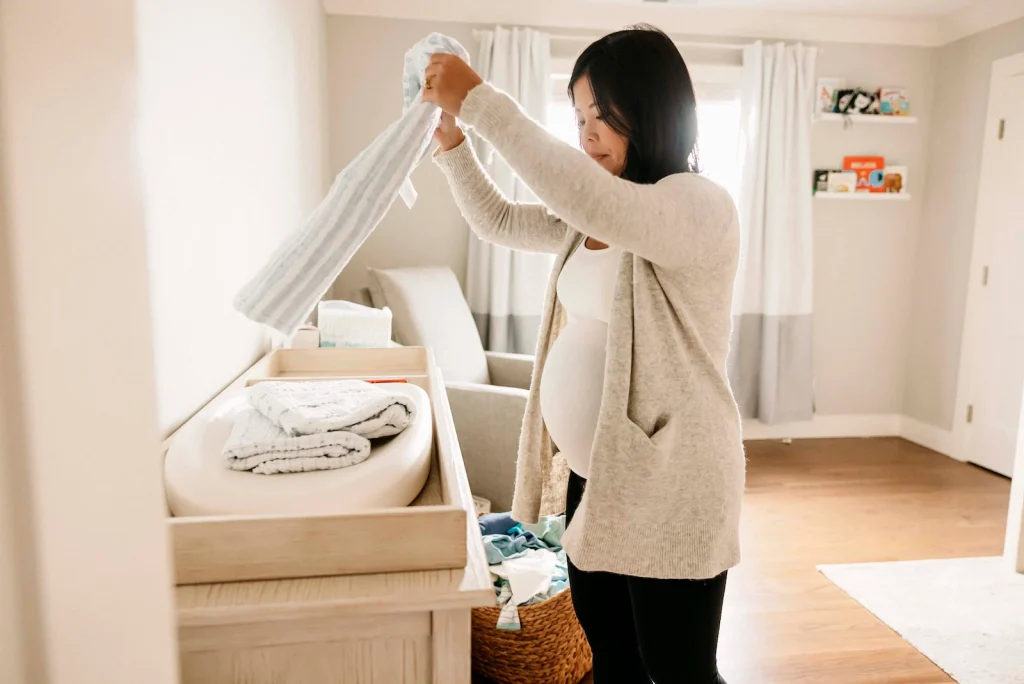
There is a pervasive image of the “perfect” nursery: a sprawling, dedicated room filled with matching furniture, a plush rocking chair, and enough storage to house a small department store’s worth of baby gear. But for many expecting parents living in urban apartments, townhomes, or smaller starter homes, this vision often feels disconnected from reality.
If you are currently staring at a cramped corner or a shared office space and wondering how you will ever prepare for a new arrival, take a deep breath. You do not need a nursery-sized room to create a loving, functional, and organized space for your baby. In fact, “nesting”—that powerful, instinctual urge to prepare for your child—is about much more than square footage. It is about creating a safe, calm environment that supports your family’s transition into this new chapter.
Whether you are carving out a nook in the primary bedroom or transforming a closet, here are some thoughtful, practical strategies for small-space nesting.
Rethink the “Nursery” Concept
The biggest barrier to small-space nesting is often the mental image of what a nursery must be. Modern parenting culture often emphasizes a dedicated room, but babies have very few physical requirements: a safe place to sleep, a place to be changed, and a place to be fed.
When you remove the pressure of designing a “showroom,” you open up a world of possibilities. Start by focusing on your pregnancy environment and how it influences your peace of mind. A serene, minimalist corner is often far more beneficial to a new parent’s mental health than a cluttered, over-furnished room.
Verticality is Your Best Friend
When you cannot grow outward, you must grow upward. In small spaces, wall space is your most valuable asset.
- Floating Shelves: Instead of heavy dressers that take up precious floor space, install sturdy floating shelves. These can hold changing supplies in baskets, books, and baby monitors.
- Over-the-Door Storage: Never underestimate the utility of an over-the-door shoe organizer. While designed for heels and sneakers, these pockets are perfect for diapers, wipes, onesies, creams, and rattles.
- Wall-Mounted Changing Tables: If space is truly at a premium, look for folding, wall-mounted changing tables. When not in use, they tuck away flat against the wall, leaving the floor clear for play or movement.
Embrace Multipurpose Furniture
In a small home, every item must earn its keep. If a piece of furniture only serves one purpose, it might not be the right fit for your space.
Look for a crib that features integrated storage underneath, or consider a dresser that doubles as a changing table. By placing a changing pad on top of an existing dresser—rather than buying a separate changing table—you save footprint without sacrificing utility. This is a great time to focus on your own comfort as well; ensure that whatever setup you choose supports your body and physical health by keeping essentials at a height that doesn’t require constant bending or straining.
The Power of the “Portable Station”
One of the most effective strategies for small-space living is the mobile baby station. Instead of having a permanent, static setup for every activity, use a rolling cart (like a utility cart from a home goods store) to hold daily essentials.
You can wheel your diaper-changing kit into the living room during the day and tuck it into the bedroom closet at night. This keeps your main living areas from feeling “taken over” by baby gear, allowing your home to remain a multi-functional space.
Creating a Sensory-Friendly Environment
Small spaces can easily become cluttered, and clutter creates visual noise. A crowded space can unintentionally increase stress during an already vulnerable time. As you navigate your trimester wellness, consider how your environment affects your mood.
Opt for light, neutral colors to make a small room feel larger, and use soft textures to absorb sound. Good lighting is also essential; avoid harsh overhead lights during those middle-of-the-night feedings. Instead, use a dimmable floor lamp or a warm-toned wall sconce. This keeps the environment calm for both you and your baby, supporting better sleep and rest for the whole family.
Prioritize Essential Gear
New parents are often overwhelmed by the sheer volume of “must-have” products. In a small space, you have to be ruthless about curation. Do you really need a giant electric swing, or would a simple, portable bouncer suffice?
Before purchasing gear, research its size and versatility. Many brands now offer compact, foldable, or “travel-ready” versions of essential items that are just as effective as their larger counterparts. If you find yourself overwhelmed by the options, the American Academy of Pediatrics (AAP) provides excellent resources on safe sleep and essential baby equipment to help you cut through the marketing noise and focus on what is truly necessary for safety.
Don’t Forget Your Own Wellbeing
Nesting is often focused entirely on the baby, but your space needs to accommodate you, too. If you are breastfeeding or bottle-feeding, ensure you have a comfortable, supportive spot to sit. It doesn’t have to be an expensive glider. A comfortable armchair you already own, paired with a supportive pillow, can be a perfect nursing nook.
Remember that taking care of yourself is part of the nesting process. If you feel overwhelmed by the transition, reaching out to professionals can make a world of difference. Whether it is seeking advice on pregnancy nutrition or needing a bit of guidance on movement and stretching to relieve those pregnancy aches, resources are always available to help you navigate this transition with confidence.
Finding Balance in the Nest
Finally, accept that your home will change, and that is okay. It might feel different with a bassinet in the corner of your bedroom, but that change is temporary. Small-space nesting is an exercise in intentionality. It forces you to choose quality over quantity and to focus on the things that truly matter: comfort, safety, and connection.
If you are feeling particularly anxious about your living situation or the logistics of your home setup, remember that there is support available. Sometimes just talking through your concerns can shift your perspective from feeling “cramped” to feeling “cozy.”
For more tips on navigating your prenatal journey or to get personalized support, feel free to check out our FAQ or reach out to our team directly. You are building a home for your baby, but you are also building a foundation for yourself. Keep it simple, keep it functional, and most importantly, keep it yours.