New York City living has a charm all its own, especially if you reside in a classic pre-war building with high ceilings and crown molding. However, when the heat and humidity of a NYC summer collide with aging infrastructure, those same apartments can quickly transform into heat traps.
If you are pregnant, the challenge is amplified. Your body temperature naturally runs higher during pregnancy, and your cardiovascular system is working overtime to support you and your baby. When you add the stifling heat of an unventilated brownstone or a walk-up that holds onto humidity, “wellness” requires a proactive strategy. Navigating your trimester wellness through the city’s sweltering months doesn’t just happen; it is something you actively manage.
The Physics of Your “Home Sanctuary”
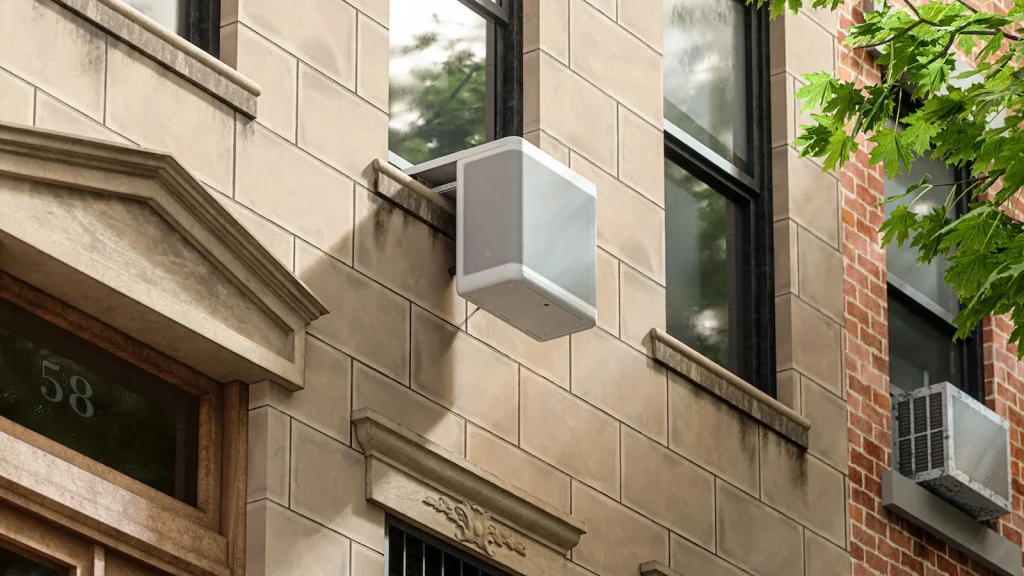
Older NYC buildings often lack the central air systems found in modern high-rises. Instead, we rely on a patchwork of window units and ancient ventilation shafts. During a heatwave, these buildings can become dangerously warm, sometimes holding onto heat long after the sun goes down.
Managing your pregnancy environment in these conditions is about creating a cool micro-climate.
- The Blackout Strategy: Keep your windows closed and your shades drawn during the hottest hours of the day (10:00 AM to 5:00 PM). It sounds counterintuitive, but letting the sun in is the fastest way to turn your living room into an oven.
- Airflow Optimization: Use fans to create cross-ventilation, but place them carefully. Position one fan to pull cooler air in from the shadiest side of the apartment and another to push stagnant, hot air out toward an exhaust vent.
- Dehumidification: Humidity makes heat feel much more intense. If your building is particularly damp, investing in a standalone dehumidifier can make the air feel significantly cooler even if the temperature remains the same.
Adapting Your Movement to the Heat
In a city that rewards walking, it is tempting to maintain your usual pace, but pregnancy requires a shift in your approach to movement and stretching. When the humidity is high, your body’s ability to cool itself via sweat is compromised.
Instead of your usual afternoon walk through the park, consider moving your activity to the early morning hours or late evening. If you absolutely must move during the day, look for “cool zones”—library lobbies, well-air-conditioned museums, or even the underground passages between subway lines can offer a brief respite. Keep your movement gentle and focused on circulation rather than stamina; the goal is to avoid overheating, not to break a personal record.
Hydration as a Biological Necessity
When the city air feels like a wet blanket, your fluid requirements spike. Dehydration during pregnancy can lead to headaches, dizziness, and, in some cases, Braxton Hicks contractions. According to the American College of Obstetricians and Gynecologists (ACOG), staying hydrated is the most effective way to regulate your body temperature and support healthy circulation.
Don’t wait until you are thirsty to drink. Keep a water bottle with you at all times. If plain water becomes boring, try adding slices of cucumber, lemon, or fresh mint—natural cooling agents that make hydration feel like a treat. If you find your swelling is worsening due to the heat, focus on foods with high water content, like watermelon, strawberries, and crisp cucumbers, to support your body and physical health.
Protecting Your Sleep in a Heatwave
Sleeping in a hot, humid apartment is one of the most draining parts of a NYC summer. When your bedroom temperature climbs, your body’s ability to enter deep REM sleep is suppressed, which can lead to increased fatigue and irritability. Managing your sleep and rest effectively is non-negotiable.
- Cooling Fabrics: Switch to bamboo or linen sheets, which are far more breathable than cotton or synthetic blends.
- The “Cooling Pulse Points” Trick: Before bed, place a cool, damp cloth on your wrists, neck, and ankles. This helps lower your core temperature quickly.
- The Foot Soak: Keep a bowl of cool (not freezing) water by your bedside. If you wake up overheating, dipping your feet in cool water can help regulate your temperature without fully waking you up.
Managing the Emotional Load
It is easy to feel “trapped” in a hot apartment, which can significantly impact your emotional wellness. If the heat is causing you to feel overwhelmed or anxious, remember that it is okay to change your plans. It is better to skip a social outing or delay a chore if it means protecting your physical and mental health.
If you find yourself feeling particularly stressed, take a moment to review your faq page for strategies on managing common pregnancy symptoms during extreme weather. Knowing that others are going through the same challenge can be a surprisingly effective way to lower your cortisol levels.
When to Seek Professional Support
Extreme heat can be dangerous, especially during pregnancy. If you experience signs of heat exhaustion—such as heavy sweating followed by cold, pale skin, a weak or rapid pulse, nausea, or dizziness—you need to cool down immediately. If these symptoms persist or if you feel faint, do not hesitate to contact your healthcare provider.
The New York City Department of Health provides excellent resources and locations for city-wide “cooling centers” that offer relief for vulnerable residents during heatwaves. Don’t be afraid to utilize them; your comfort and safety are the top priority.
The “Cool Down” Routine
As a final tip, cultivate a “cool down” routine that feels good to you. Whether it is a refreshing shower, an ice-cold snack, or ten minutes of quiet, low-lit resting in the coolest part of your apartment, having a go-to ritual can turn an uncomfortable day into a manageable one.
You are doing an incredible job navigating the challenges of growing a human in an environment that is less than ideal. Give yourself the grace to slow down, stay cool, and remember that this season of heat will eventually give way to cooler air.