Pregnancy hunger is a unique beast. It can hit with the force of a freight train, often at the most inconvenient times, or it can manifest as a persistent, low-level craving that refuses to be ignored. When your metabolism is running on high-octane to support fetal development and your blood volume is expanding, your body is effectively sending you a constant stream of “requests” for fuel.
The challenge, of course, is that the foods that sound good in the moment aren’t always the ones that make your body feel good later. Navigating pregnancy nutrition doesn’t mean eating “perfectly”—it means finding reliable, accessible options that bridge the gap between hunger and comfort. By keeping a selection of go-to snacks, you can manage your energy, stabilize your blood sugar, and support your overall trimester wellness.
The “Steady Energy” Strategy
The primary goal of a pregnancy snack is to prevent the “spike and crash” cycle. If you rely on simple sugars (like candy, refined baked goods, or sugary sodas), your blood sugar will rise rapidly, only to plummet an hour later. That crash often triggers fatigue, jitters, and a return of that intense, shaky hunger.
To keep your energy steady, aim for the “duo” method: combine a source of complex carbohydrates (for quick energy) with a source of protein or healthy fat (for sustained release). This simple combination keeps your energy stable, reduces the risk of pregnancy-related headaches, and can even help minimize the morning sickness that often flares up when your stomach is empty.
Protein-Powered Picks
Protein is the literal building block of your baby’s tissues and the placenta. It is also the most satiating macronutrient, meaning it keeps you feeling full longer.
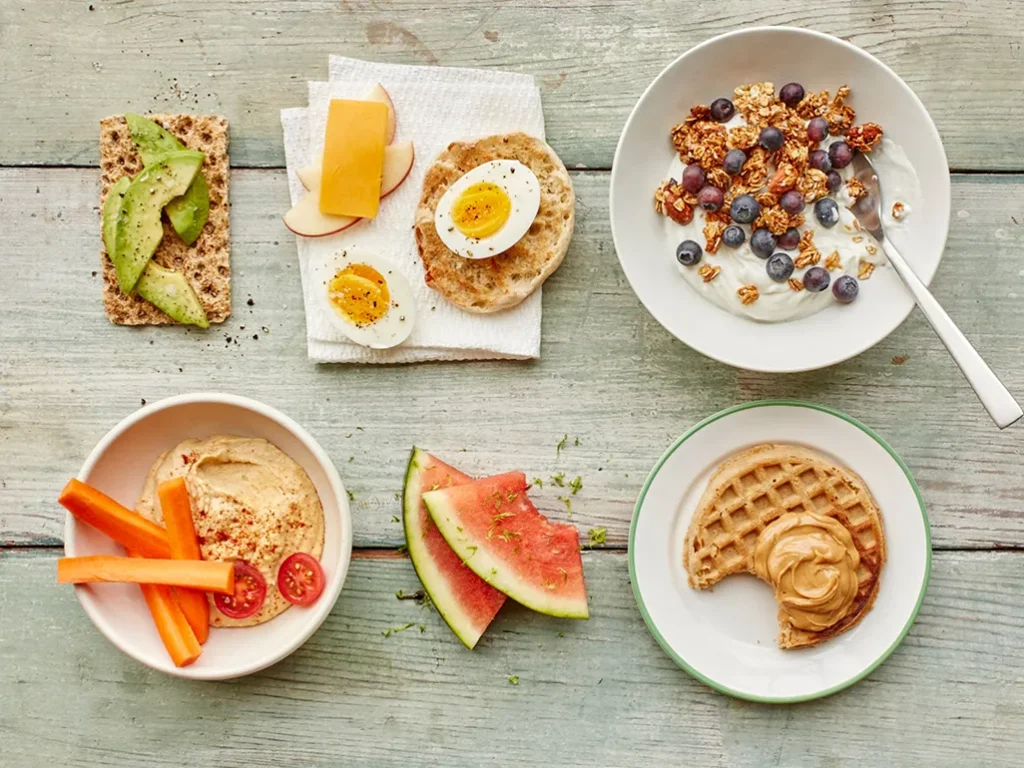
- Greek Yogurt with Berries: Greek yogurt is packed with protein and calcium, while berries provide antioxidants and fiber. This is a perfect, easy-to-digest snack.
- Hard-Boiled Eggs: Keep a stash in the fridge. They are the ultimate “grab-and-go” protein source.
- Edamame: Whether you get them steamed or dry-roasted, edamame is a plant-based protein powerhouse that is excellent for snacking.
- Hummus and Veggies: Chickpeas are a fantastic source of fiber and protein, and pairing them with bell peppers, carrots, or cucumbers adds a satisfying crunch.
Healthy Fats for Brain and Nervous System
Your baby’s brain is undergoing massive development, and healthy fats are essential for that process. Furthermore, fats slow down digestion, which is crucial for maintaining a sense of satiety.
- Nut Butters on Apple Slices: Peanut, almond, or cashew butter provides healthy fats and protein, while the apple offers fiber to help with digestion.
- Avocado Toast: If you can handle the prep, a simple piece of whole-grain toast with mashed avocado and a pinch of sea salt is a complete meal-in-a-snack.
- Handful of Walnuts or Almonds: Keep a small bag in your work bag or car. They are high in healthy fats and omega-3s, which are vital for fetal neurological development.
Hydration as a Snack
Sometimes, what we perceive as “hunger” is actually a signal for hydration. Because your fluid needs increase so drastically, try a “liquid snack” before reaching for solids.
- Bone Broth: If you feel like you need a savory boost, a warm cup of bone broth provides electrolytes, minerals, and collagen-building amino acids. It is incredibly soothing if you are dealing with a sensitive stomach.
- Protein Smoothies: If you are feeling too nauseous for “real” food, a smoothie is an excellent way to get greens, fruit, and a scoop of your favorite pregnancy-safe protein powder into your system. The American College of Obstetricians and Gynecologists (ACOG) notes that staying hydrated and consuming dense nutrients is essential for preventing the lightheadedness often experienced during the second and third trimesters.
Managing the “Hard Day” Cravings
There will be days when the only thing you want is a piece of buttered toast or a bowl of cereal. That is okay. Part of your emotional wellness is practicing self-compassion. If you have a hard day, don’t beat yourself up for not eating a “perfect” salad. Nourishment is about flexibility, not rigid rules.
When you feel like you are struggling, check our faq to see how others have managed similar cravings and appetite changes. Remember, your body and physical health are adaptable—one meal, or one day, does not define your entire nutritional intake.
Curating Your Environment
Your ability to eat well often comes down to accessibility. If your pantry is filled with options that leave you feeling sluggish, and your fridge is empty of protein, it is very hard to make a choice that supports your needs.
Spend time curating your pregnancy environment to work for you:
- The “Snack Basket”: Create a dedicated space in your kitchen or office for non-perishables like nut butter packets, whole-grain crackers, and dried fruit.
- Pre-Prepped Veggies: Spend 10 minutes after grocery shopping to wash and chop your vegetables. Having them ready to grab makes them infinitely more likely to be eaten.
- The “Transition” Snack: If you have a long commute, have a designated “car snack.” Walking through your front door after a long day of work is a major stressor; having a snack ready for that transition can help you avoid the post-work “hunger panic.”
When to Seek Guidance
If you find that your food aversions are so severe that you are unable to eat a variety of foods, or if you are losing weight, do not rely on snacks alone. Reach out to your healthcare provider. Sometimes, supplements or specific dietary adjustments are needed to ensure you are getting the vitamins and minerals necessary for both you and your baby. You can contact our team to find resources or to ask for help in identifying a prenatal nutritionist who can work with your specific tastes and needs.
As Harvard Health Publishing highlights, the most important aspect of prenatal nutrition is focusing on nutrient density over caloric quantity. You are not just “eating for two”; you are building a biological foundation.
Final Thoughts: Trusting Your Hunger
Your hunger is your body’s most reliable communication tool. If it’s telling you it’s hungry, it is usually right. The key to pregnancy eating isn’t to silence the hunger, but to satisfy it in a way that respects your need for stable energy and sustained comfort.
Stock your shelves with options that make you feel strong. Lean into the protein, prioritize the healthy fats, and keep your hydration front and center. You are doing the profound, exhausting work of growing a life—fuel yourself with the grace and consistency you deserve.